



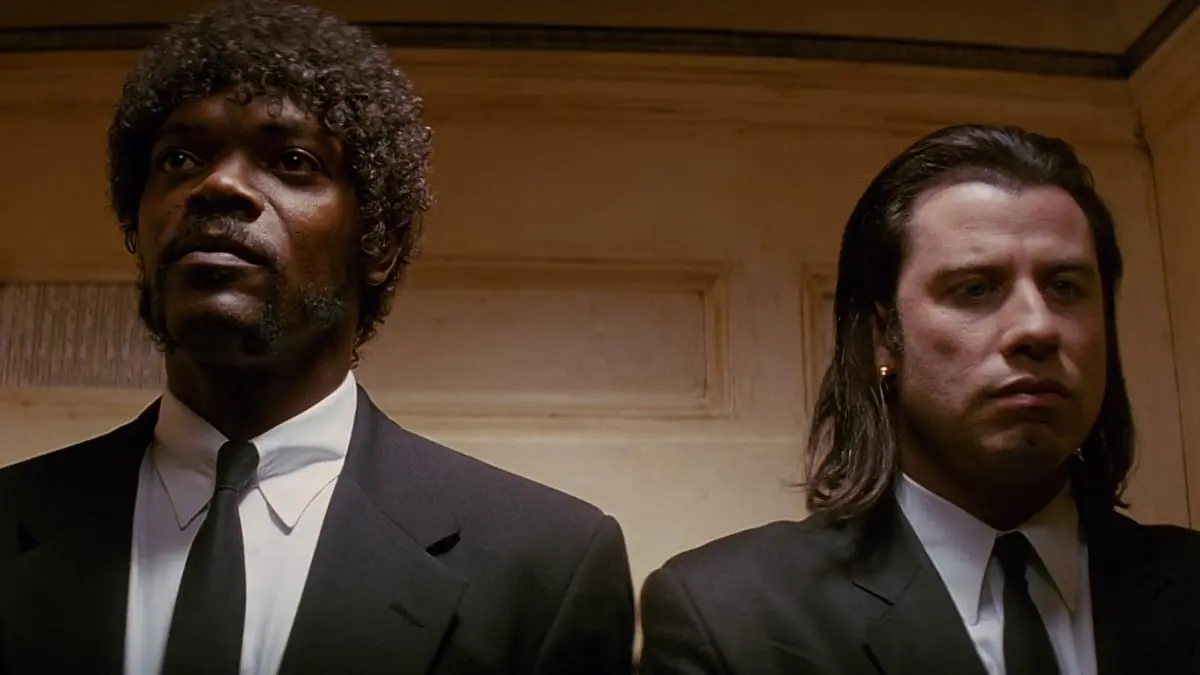



A premiere ends when the lights come up. The audience spills onto the pavement, the reviews begin arriving on phones, and the people who made the film move on to the next interview, flight, or production meeting.
For some fans, that is not quite the end of the experience. A performance has given them a laugh during a difficult week, a character has helped them name something they were feeling, or a film has become the story they needed at exactly the right moment. So they write a thank-you note.

The letter begins after the applause
The most meaningful fan mail is rarely a miniature review. It is more specific than “I loved the movie” and less demanding than “Please write back.” The writer identifies one scene, line, performance choice, or emotional effect, then explains what it meant in their own life.
That distinction matters. A star may never see every letter, and a representative may read mail before passing it on. The note is not a guaranteed conversation. It is a piece of appreciation offered without an invoice attached.
That is also why the physical form still has appeal. A direct message can disappear into an inbox. A handwritten card has a slower rhythm: someone chose paper, found a pen, wrote the address, and paid for postage. The effort communicates gratitude before the recipient reads a word.
Make the message personal, not pressurized
A useful note usually needs only four ingredients:
- A clear opening: Say which film, series, role, or project prompted the letter.
- One precise detail: Mention a moment that stayed with you instead of summarizing the entire plot.
- Your honest connection: Explain what the work helped you notice, feel, or understand.
- A clean sign-off: Offer thanks, wish them well, and leave the response entirely up to them.
Fans who want a more polished card can begin with a thank you card design, then add a handwritten paragraph so the finished piece does not feel mass-produced. The template can handle the visual structure; the specific sentence about why the performance mattered is what makes the card yours.

My preference is for a note that fits on one page. Not because a longer letter is automatically inconsiderate, but because restraint shows that the writer understands the recipient is a person with limited time, not a customer-service desk. “Your work mattered to me” is powerful. A detailed demand for a personal reply changes the emotional contract.
Find the right address before you write
The hardest part is often not the message. It is finding a legitimate route for it.
Actors and performers may receive mail through a management company, talent agency, production office, official fan-mail address, or a business mailbox. Those routes are not interchangeable. David Tennant’s official contact page, for example, directs fan mail to him care of Independent Talent Group and asks fans to include a self-addressed envelope if they want a signed photo. Lin-Manuel Miranda’s official contact page distinguishes between a physical address for U.S. fans and an electronic submission route for international fans.
Start with the performer’s verified website or the official site of their representative. If the address comes from an old social-media post, a forum, or a fan database, check it against a current primary source before putting it on an envelope. A correct address is a small courtesy to the office staff who sort the correspondence.
Agency policies can be quite explicit. United Agents says that fan mail should be sent care of its postal address, that responses cannot be guaranteed, and that it cannot accept responsibility for gifts or items sent to artists. That is a useful general rule: send a letter or card, not a package that creates storage, customs, security, or return problems.
The envelope is part of the etiquette
Once the message is written, address the envelope plainly. The U.S. Postal Service’s guide places the return address in the upper-left corner and the delivery address in the lower center, with the recipient’s name and the relevant agency or office included on separate lines.
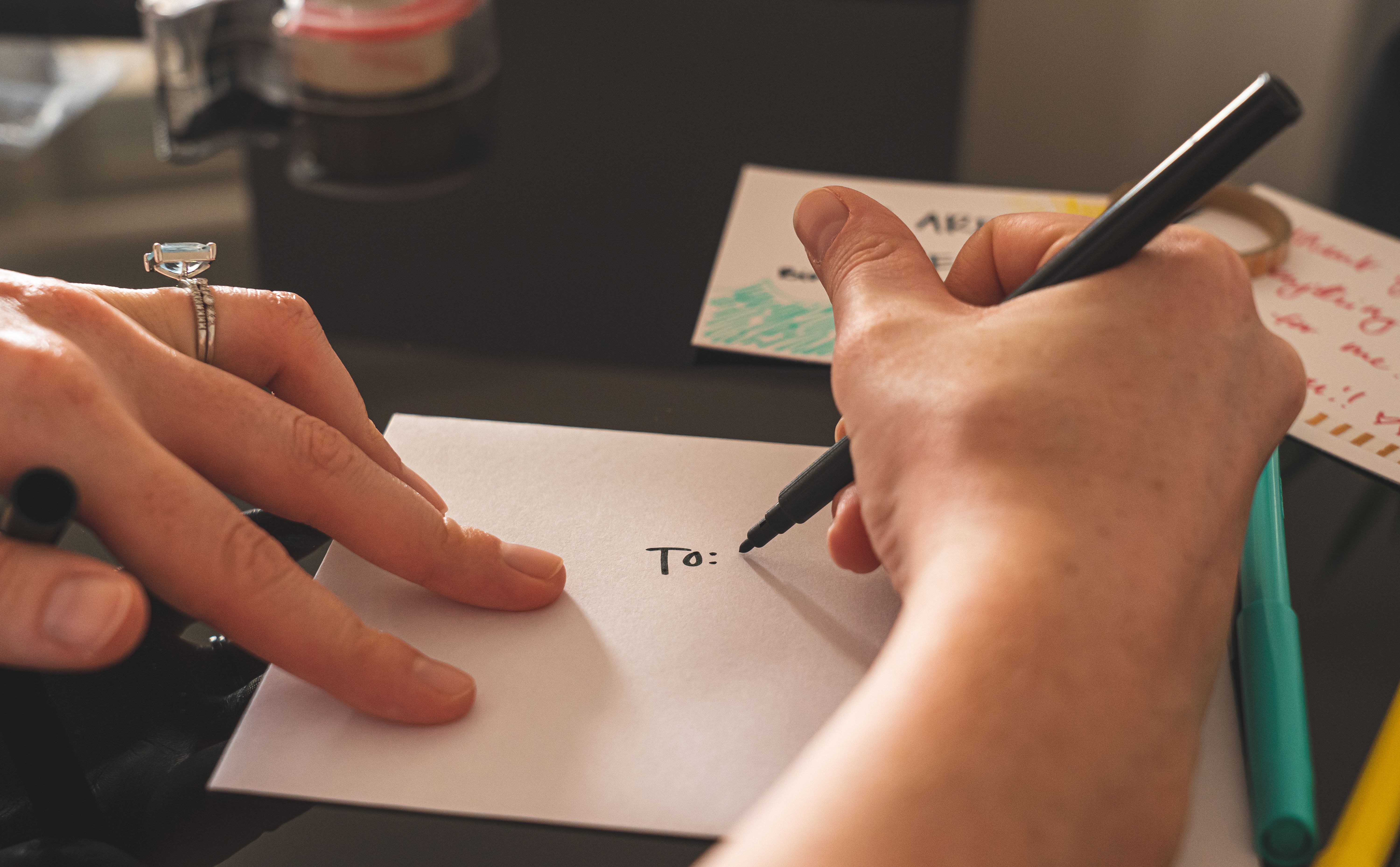
Decorative envelopes can be charming, but clarity comes first. Use a readable pen, leave enough room for the address, and make sure the postage matches the size and weight of the mail. If the official instructions request a stamped, self-addressed envelope for a reply or autograph, follow them exactly. If they do not, do not add one simply because another performer’s policy mentioned it.
It is also wise to avoid enclosed valuables, perishables, glitter, confetti, or anything that could be interpreted as a security concern. A photograph may be acceptable for an autograph request when the official policy says so; it is not a universal invitation to send personal property.
What a respectful fan letter does not ask for
The best thank-you note does not turn gratitude into a transaction. It does not ask the actor to endorse a cause, send a private photograph, read a screenplay, solve a personal problem, or prove that the letter was received.
That boundary is especially important because some performers receive extraordinary volumes of correspondence. William Shatner’s official contact information says he receives more than 100,000 autograph requests a year, explains that his mail is screened by a team, and states that he cannot answer every note. The lesson is not that sending mail is pointless. It is that a fan should measure success by the care of the message, not by the likelihood of a response.
A request for a reply can be phrased gently if the official address specifically supports it, but the note should still make sense without one. “If you ever have the time, I would be delighted to hear from you” is different from setting a deadline or including repeated follow-up messages.
From desk drawer to mailbox
Before sealing the envelope, read the note once as the recipient might. Is the performer’s name spelled correctly? Does the message identify the project? Have you included your full return address if a response is genuinely possible? Is the tone appreciative rather than overly intimate?
Then seal it, stamp it, and let it go.
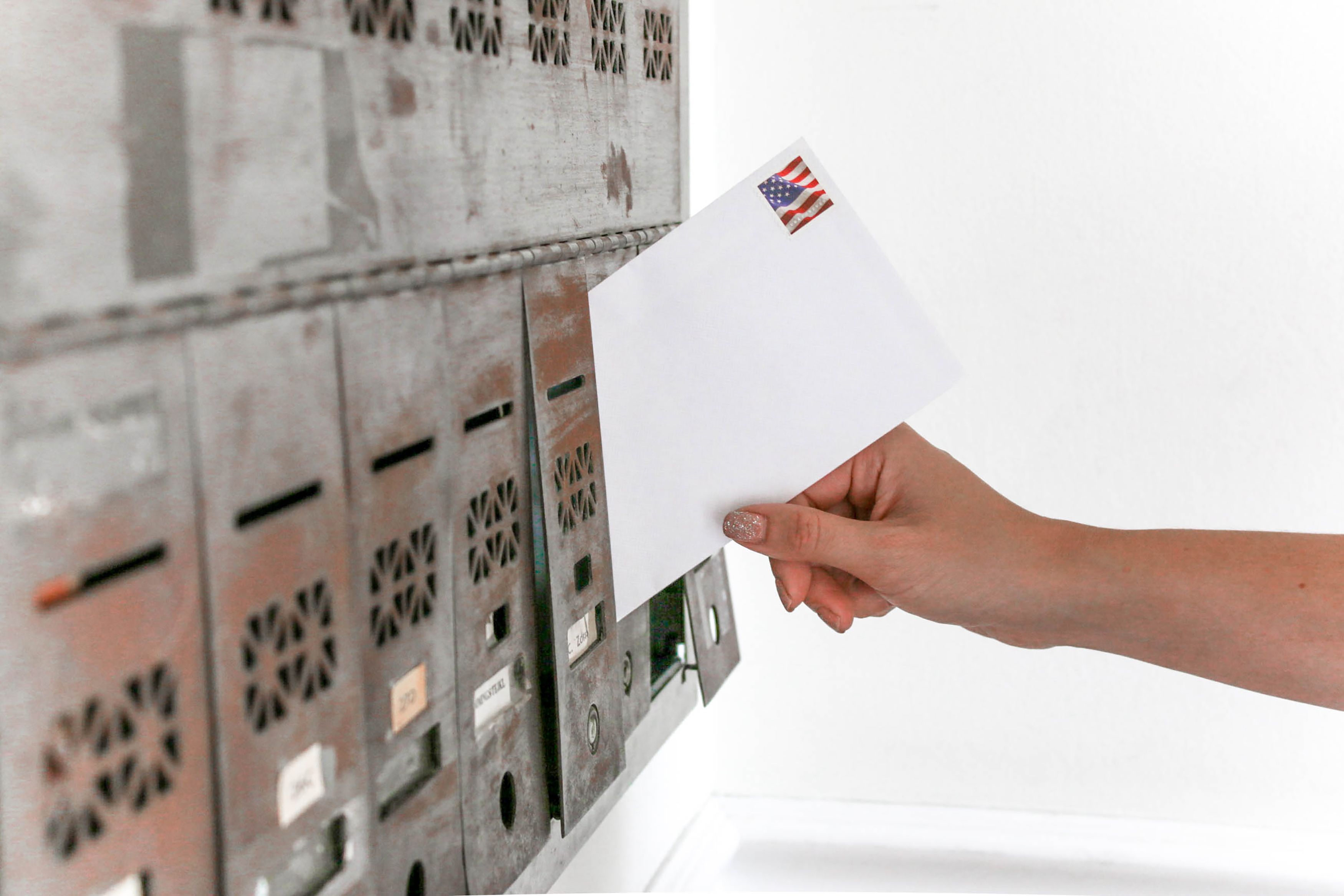
There is something quietly radical about that last step. Modern fandom encourages instant reaction, constant access, and visible proof that a message has landed. A letter refuses all three. It travels at postal speed, may pass through several hands, and may never produce a public acknowledgment.
That does not make it insignificant. It makes the gesture honest. The film gave the fan an experience; the fan gives back a few carefully chosen words. Somewhere between the premiere and the mailbox, appreciation becomes tangible, and that is often enough.